May 29, 2026
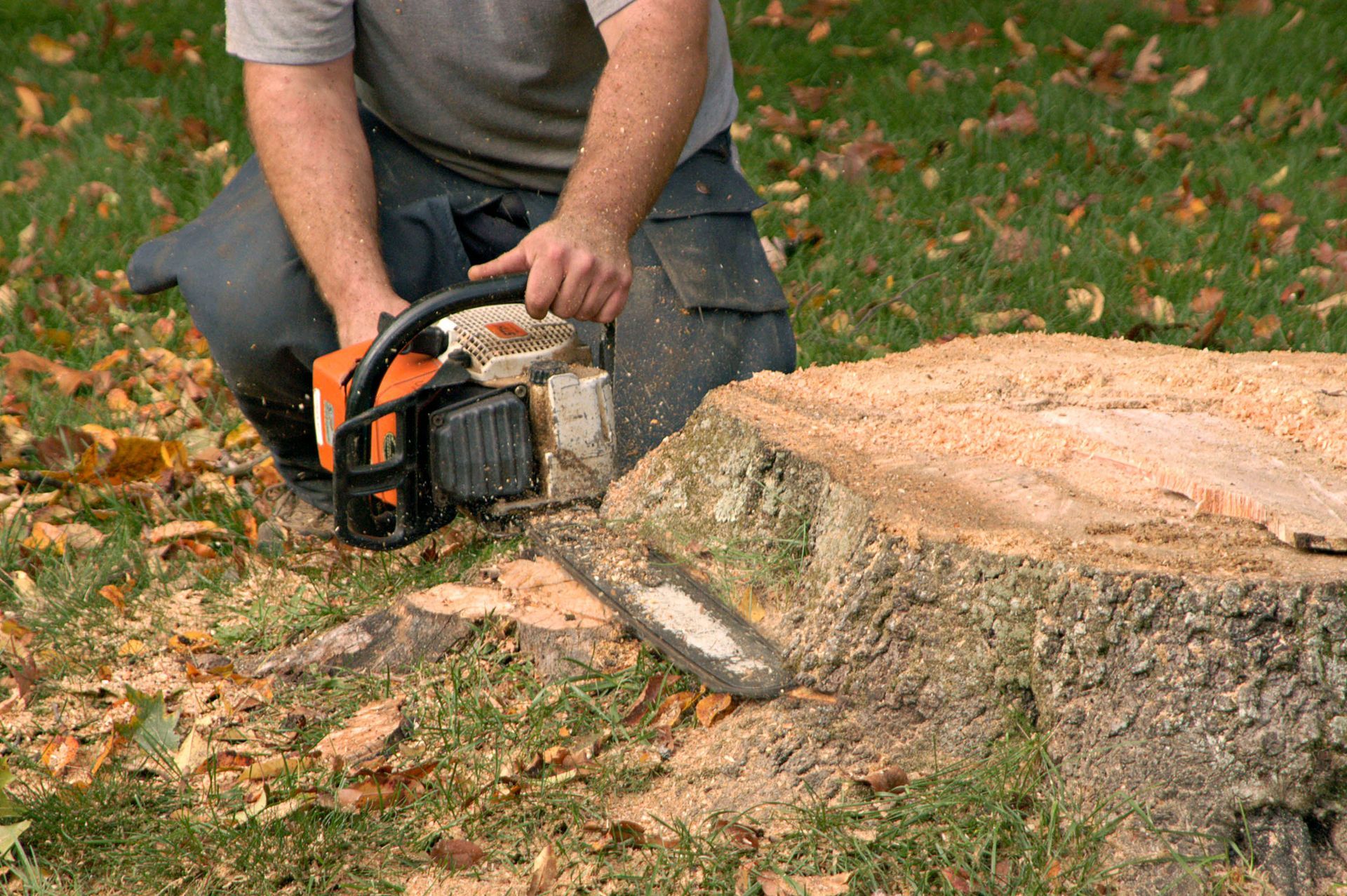
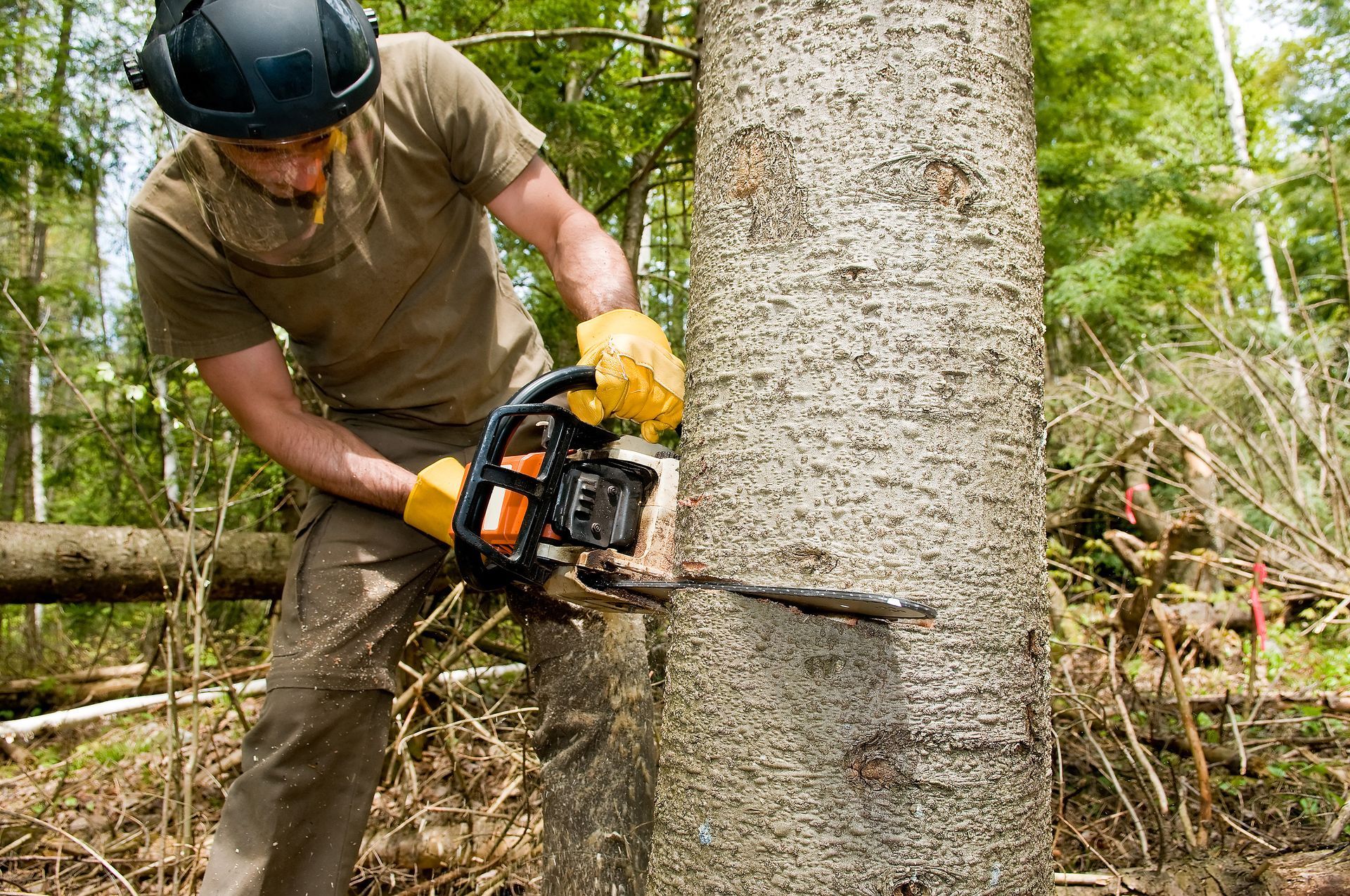
Tree removal is an essential practice for maintaining a safe and functional residential yard. Overgrown trees can pose numerous hazards, from structural damage to potential accidents. By removing problematic trees, homeowners can enhance the usability and overall condition of their outdoor spaces. This process also helps reduce long-term maintenance challenges and supports a more manageable landscape.
By addressing potential hazards and improving access throughout the yard, tree removal contributes to a more manageable outdoor environment. It also helps create clearer pathways and more usable space across the property. The sections below explain the most common risks associated with overgrown trees and how removal helps resolve them. This provides a clearer understanding of how yard conditions can improve through proactive care.
Risky Conditions of Overgrown Trees
Damage Structural Property
Overgrown trees can cause structural issues for residential properties. Root systems may extend beneath foundations, sidewalks, or driveways, creating cracks and uneven surfaces over time. Large or heavy branches can also place pressure on roofs or siding, leading to gradual wear. These issues often develop slowly but can become costly if not addressed early.
In some cases, tree roots may interfere with underground systems such as plumbing or drainage lines. This can result in blockages or damage that affects essential home infrastructure. Monitoring growth patterns and addressing problem trees early helps reduce these risks and protect surrounding structures. Regular inspections also help identify issues before they escalate into larger concerns.
Disrupt Utility Lines
Trees growing too close to utility lines can disrupt essential services such as electricity and communications. Branches that come into contact with overhead lines may break during storms, potentially causing outages or safety hazards. These disruptions can affect both individual households and surrounding areas.
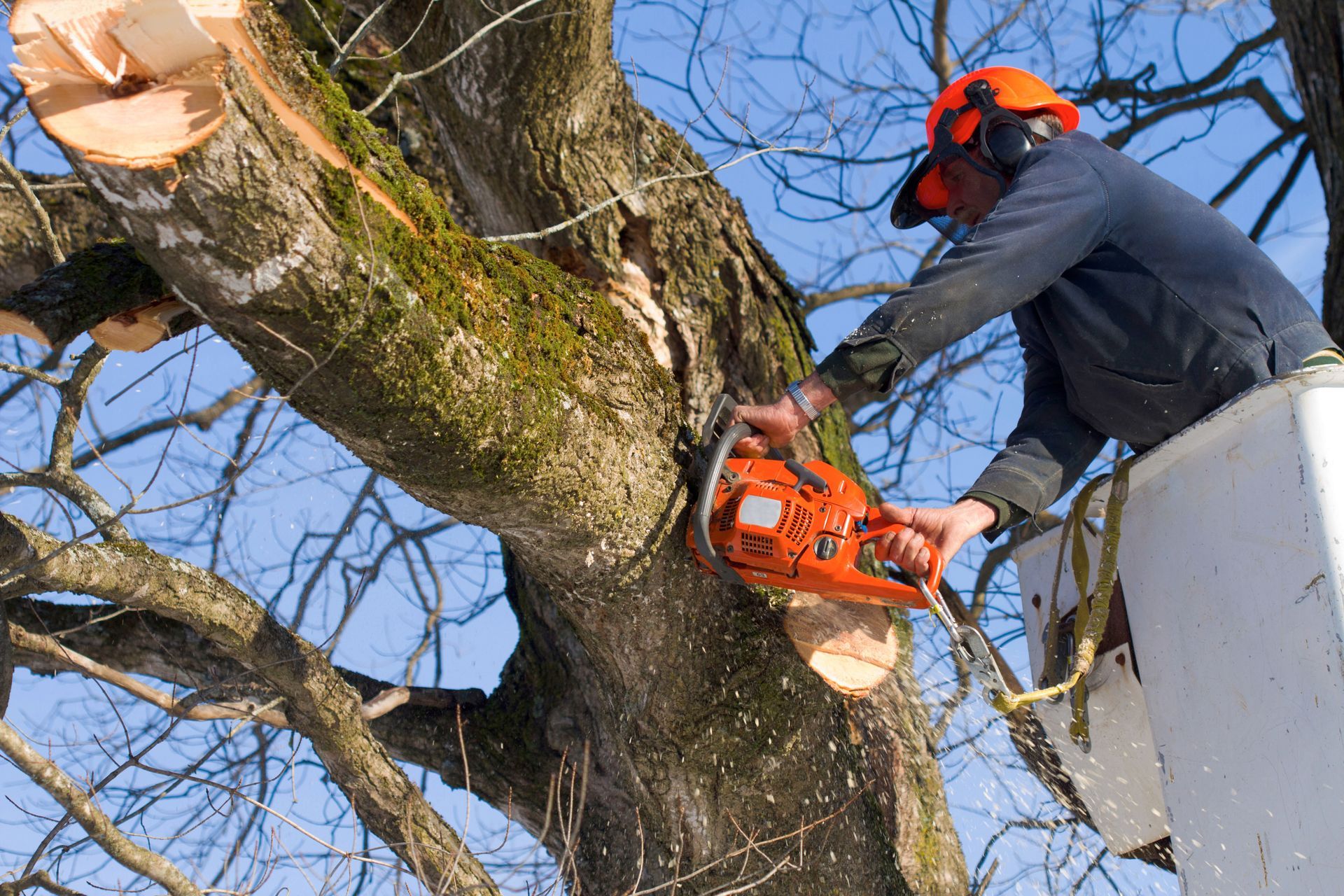
Routine trimming is often used to manage this risk, but in some cases, full removal may be necessary when trees cannot safely coexist with utility infrastructure. Regular evaluation helps identify trees that may require corrective action to maintain a safe environment. According to This Old House (2025), depending on the size and type of tree, tree removal can take as little as 15 minutes or as long as a few hours.
Trigger Falling Branches
Falling branches are a common concern with mature or neglected trees. Storms, high winds, and natural decay can weaken limbs, increasing the likelihood of breakage. This can create safety risks for people, vehicles, and structures below. These risks often increase during seasonal weather changes.
Signs such as dead limbs, visible decay, or fungal growth may indicate that a tree is compromised. In situations where structural integrity is significantly reduced, removal may be the safest option. Addressing these risks early helps reduce the chance of unexpected incidents. It also helps protect surrounding landscaping from additional damage.
Attract Pest Infestations
Decaying or densely overgrown trees can attract insects and other pests that thrive in weakened wood. These conditions may also contribute to the spread of disease within the tree or to nearby plants. Over time, this can affect the overall health of surrounding vegetation.
Removing infested or deteriorating trees can help limit the spread of these issues and reduce stress on surrounding vegetation. Clearing affected trees also improves airflow and light distribution, which supports healthier yard conditions overall. This creates a more balanced environment for remaining plants to thrive.
Block Sunlight Access
Dense tree canopies can block sunlight from reaching grass, shrubs, and other plants below. Limited light can slow growth and lead to uneven or sparse vegetation in the yard. This often results in less consistent plant development across the landscape.
In addition to plant health, reduced sunlight can make outdoor spaces less functional or inviting. Managing tree density through selective trimming or removal helps improve light distribution and overall yard usability. Better exposure also supports more even soil moisture conditions.
Safe Outcomes of Tree Removal
Reduce Accident Risk
Tree removal can significantly reduce hazards in residential yards. Unstable or overgrown trees may create risks during storms or periods of strong wind, especially when branches become weakened or unbalanced. These conditions can increase the likelihood of falling debris.
In addition to removing hazardous trees, homeowners can maintain clear ground-level pathways and keep outdoor areas free of debris. These simple practices, combined with addressing unsafe trees when needed, help improve overall yard safety and accessibility. This creates a more secure environment for everyday use.
Prevent Storm Damage
Severe weather can place significant stress on mature trees. High winds and heavy rain may cause branches to break or trees to become uprooted, potentially damaging nearby structures or landscaping. These impacts can occur suddenly during extreme weather events.
Identifying and addressing trees that show signs of instability before storm season can help reduce these risks. Proper trimming of remaining trees also supports better structural balance and resilience during adverse weather conditions. This improves overall property protection.
Lower Fire Hazards
In dry conditions, dead branches, fallen debris, and dense vegetation can contribute to fire risk. Overgrown trees may increase the amount of combustible material present in a yard. This can create elevated risk during dry or windy periods.
Regular maintenance and removal of dead or hazardous trees can help reduce fuel sources and improve overall property safety. Managing tree density is an important part of maintaining a safer outdoor environment. These steps support better long-term yard management.
Remove Hazardous Trees
Hazardous trees may be structurally weakened due to disease, decay, or storm damage. These trees can pose ongoing risks if left standing in high-traffic or exposed areas of a property. Over time, this can increase the likelihood of damage or injury.
Removing compromised trees helps eliminate these hazards and improves the overall condition of the landscape. It also allows remaining healthy vegetation more space to grow without competition for resources. This contributes to a more stable outdoor environment.
Support Plant Growth
Tree removal can support healthier growth of surrounding vegetation by reducing competition for sunlight, water, and nutrients. When overgrown trees are removed, other plants often benefit from improved access to essential resources. This can lead to stronger and more consistent growth patterns.
Clear Benefits of Tree Removal
Build Neat Landscapes
Removing overgrown or damaged trees can help create a more organized and visually balanced yard. Clearing unwanted growth allows for a cleaner layout and improves overall visibility across the property. This helps improve the overall appearance of the outdoor space.
Open Property Views
Obstructive trees can block views of a home and reduce the visibility of key outdoor areas. Removing or trimming these trees can help improve sightlines and create a more open appearance. This enhances the overall presentation of the property.
Better visibility also improves awareness of the yard layout, making outdoor spaces easier to navigate and use. Features such as gardens, patios, and open lawn areas become more accessible and functional. This improves everyday usability.
Expand Landscaping Options
Clearing overgrown trees can open up space and improve overall yard structure. This allows homeowners to better organize existing outdoor areas and make more efficient use of available space. It also creates more flexibility in yard layout.
Raise Property Value
A well-maintained yard contributes positively to overall property presentation. Removing hazardous or unsightly trees improves curb appeal and helps create a more polished exterior appearance. This can make a strong visual impression.
Encourage Outdoor Use
Clearing overgrowth and improving accessibility throughout the yard can create more open and usable outdoor areas. With fewer obstacles, outdoor spaces become easier to maintain and navigate. This improves day-to-day usability.
To learn more about comprehensive tree care and outdoor maintenance solutions, Fred's Tree & Lawn Service offers a full range of services designed to support safety, cleanup, and general property upkeep.