November 16, 2026
Trees provide shade, aesthetic beauty, and ecological value to residential landscapes, but compromised trees present serious risks when ignored. Property owners often postpone addressing failing timber because the immediate urgency seems minimal. However, delaying needed tree removal allows underlying decay to advance silently, increasing the likelihood of catastrophic failure during routine weather events. Recognizing structural instability early enables property owners to manage their landscape safely before minor defects escalate into expensive liabilities.
1. Suffering Catastrophic Structural Failure During Severe Storms
Weakened trees are exceptionally vulnerable to sudden failure when severe weather moves through a region. Inner wood decay, dead branches, and root rot significantly reduce a tree's ability to withstand strong atmospheric pressure. According to The Weather Channel, gusts exceeding 60 mph, which frequently occur during severe thunderstorms, nor'easters, tropical storms, and hurricanes, possess sufficient force to topple mature trees. When trunks and large branches lose tensile strength, high winds exploit these structural flaws and snap heavy timber without warning.
A falling trunk or heavy limb can cause extensive destruction to residential dwellings and outdoor fixtures:
- Crushed roof trusses, punctured shingles, and collapsed ceilings
- Smashed gutters, cracked exterior siding, and broken windows
- Flattened privacy fences, destroyed detached sheds, and crushed automobiles
- Fractured concrete patios, ruined outdoor kitchens, and torn landscape retaining walls
In severe instances, the force of a falling canopy penetrates multiple stories, displacing residents. Delaying required tree removal leaves property owners gambling against seasonal storm cycles. Once structural integrity deteriorates beyond a safe threshold, each passing weather system multiplies the potential for sudden collapse, turning an overlooked yard problem into an urgent emergency.
2. Inflicting Severe Damage on Overhead and Underground Utilities
Trees growing near residential utility corridors pose a distinct danger when they begin to deteriorate. Overhead power cables, telephone lines, and optical fiber conduits run along property boundaries where untrimmed or dead canopies overhang. When rotting timber gives way, falling limbs can sever cables from poles or pull electric meters directly off exterior walls. This sudden disruption causes neighborhood electrical blackouts, creates active fire risks, and disrupts emergency communications across multiple households.
Underground municipal systems are equally vulnerable to root destabilization caused by dying trees:
- Expansive root systems invade hairline cracks in sewer laterals and septic pipes, producing severe wastewater backups.
- Displaced soil around failing root plates shifts subterranean freshwater supply lines, resulting in unseen leaks and sudden drops in water pressure.
- Sinking ground around decaying anchor roots cracks adjacent buried electrical conduit, damaging home circuitry.
- Surface-level root upheavals buckle concrete walkways, lift paved driveways, and displace underground natural gas mains.
Remedying these utility complications is costly and requires coordination among utility crews and private excavation contractors. Homeowners often face thousands of dollars in reconnection fees and plumbing excavation bills that far exceed the price of timely arboricultural care. Hiring tree removal services before roots compromise subterranean infrastructure or branches strike utility lines spares families prolonged outages.
3. Exposing Property Owners to Substantial Financial and Legal Liability
Postponing tree removal on a visibly declining tree introduces profound civil liability concerns for real estate owners. Municipal statutes and common tort laws establish that property owners possess a basic duty of care to maintain their land in a reasonably safe condition for neighbors and visitors. If an owner receives written notice or possesses visible knowledge that a tree has died, rotted, or begun leaning toward an adjacent parcel, failing to act constitutes legal negligence.
When a compromised tree falls onto a neighboring yard, the resulting financial fallout can be devastating:
- Neighboring property insurers may pursue direct subrogation lawsuits against the negligent tree owner to recover structural rebuilding expenses.
- In personal injury cases where falling wood strikes an individual, standard residential liability policies might decline coverage if deliberate negligence is documented.
- Municipal code enforcement officers may assess recurring daily fines, file statutory liens, and issue court summonses for unaddressed hazardous trees on private land.
- Municipalities can perform emergency clearing independently and bill the homeowner directly at steep civic service rates.
Beyond court battles, real estate values suffer when declining trees loom over a residence. Home appraisers and mortgage inspectors routinely flag rotted trees as safety hazards, prompting buyers to demand substantial price deductions. Taking care of hazardous vegetation through proper tree removal removes these legal vulnerabilities, preserves neighborly goodwill, and protects personal assets against civil litigation.
4. Spreading Destructive Diseases and Fungal Infections to Surrounding Trees
Pathogenic fungal strains, parasitic blights, and aggressive tree diseases routinely establish colonies inside stressed wood tissue, using the declining specimen as a reproductive base. As the infected tree breaks down, it releases airborne fungal spores and subterranean root graft transmissions across the yard, exposing healthy surrounding trees, ornamental shrubs, and turfgrass to virulent infections.
Common indicators that a tree is harboring contagious pathogens include:
- Clusters of fleshy bracket fungi, conks, or mushroom growth sprouting directly along lower trunk bark
- Premature leaf drop, persistent yellowing of foliage, and localized branch dieback within the upper crown
- Deep vertical fissures, peeling exterior bark layers, and oozing sap cankers along major scaffolding limbs
- Brittle twigs, spongy inner wood fiber, and an overall absence of healthy seasonal bud formation
Once pathogens migrate into neighboring trees, treating the wider landscape becomes complex and expensive. Homeowners often find themselves paying for recurring systemic fungicides, therapeutic micro-injections, and deep-root soil treatments to save nearby specimens. In many cases, these rescue efforts prove unsuccessful, forcing the eventual elimination of multiple mature trees.
5. Harboring Aggressive Insect Colonies and Structural Wood Pests
Decaying timber serves as an optimal breeding ground for destructive insect pests and woodland rodents seeking shelter. As inner heartwood softens from rot, moisture accumulates, creating hospitable microclimates for invasive wood-boring insects. Carpenter ants, wood-boring beetles, subterranean termites, and hornet colonies routinely establish nesting chambers inside the softened cores of dying trees. Once these populations reach full maturity, they forage outward, eventually infiltrating adjacent homes through foundation cracks, roof eaves, and attic vents.
The presence of decaying wood in a yard also invites undesirable wildlife that disrupt suburban neighborhoods:
- Raccoons, opossums, and bats inhabit cavernous trunk cavities, often using branches to access residential rooflines and attics.
- Rodents such as mice and tree squirrels use dense deadwood piles for nesting, gnawing on outdoor wiring and air conditioning conduits.
- Mosquitos and biting midges breed in persistent puddles of water caught inside rotting trunk depressions and hollowed wood cavities.
- Aggressive wasps, yellowjackets, and hornets build hidden aerial nests among dense clusters of dead branches, creating sting risks for children and pets.
Property owners spend money on recurring interior pesticide applications, yet insects return as long as the dying tree supplies shelter. Eliminating dead wood through prompt tree removal destroys these harborages, interrupts insect reproduction, and keeps domestic pests away from home foundations.
6. Multiplying the Complexity and Financial Cost of Extraction
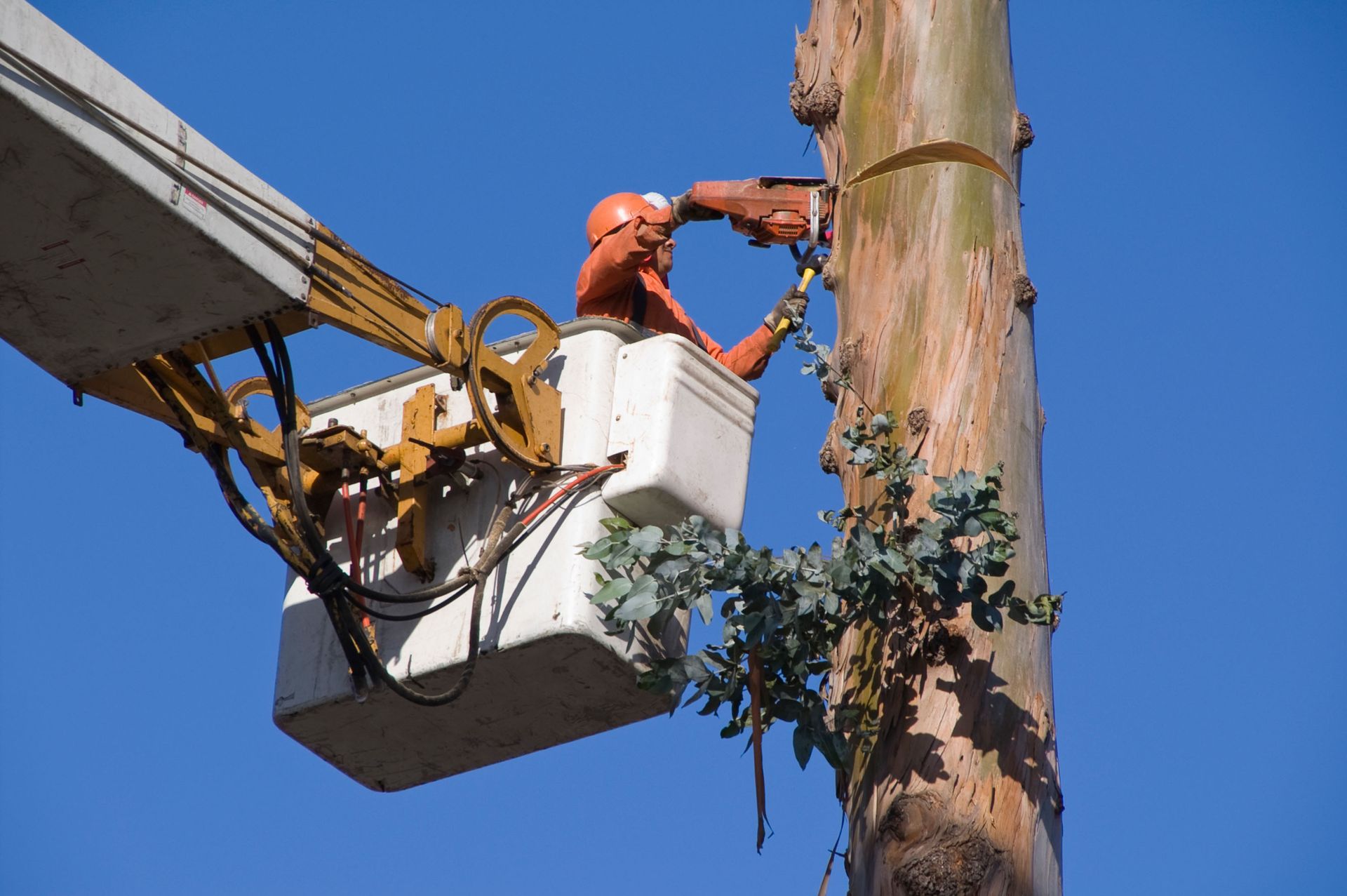
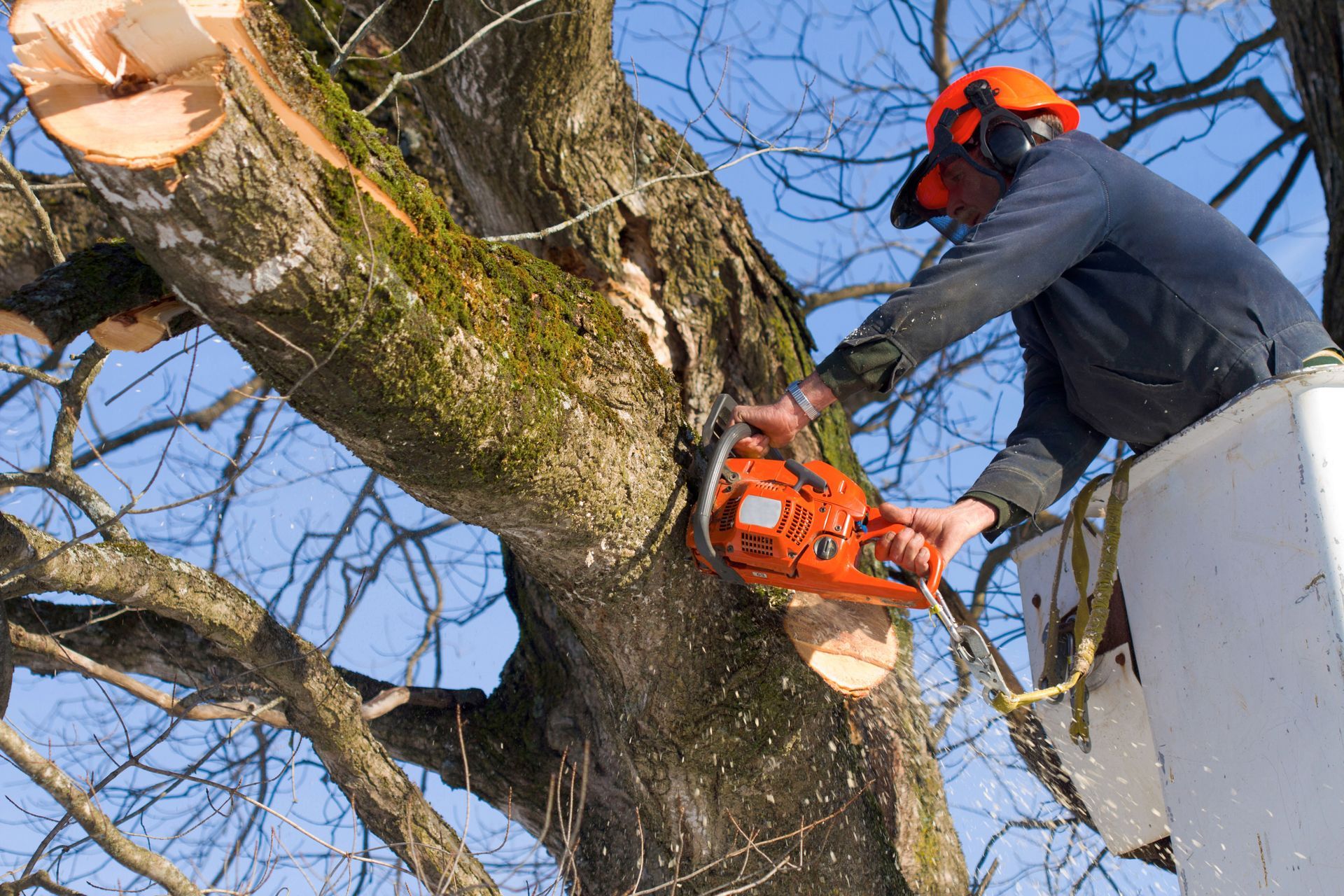
Postponing tree maintenance is an expensive gamble because the price of tree felling increases with every stage of decay. When a tree is structurally sound, arborists can climb the trunk, attach rigging ropes, and lower limbs sequentially using controlled lowering devices. However, as rot consumes internal heartwood and weakens primary anchor roots, the trunk loses the capacity to support human weight or rigging tensions. Because tree care personnel cannot safely climb a rotten tree, they must mobilize heavy equipment to extract the hazard safely.
Advanced tree decay introduces several complicating factors that drive project invoices upward:
- Deploying mobile cranes, bucket trucks, and aerial lift platforms to bypass unsafe climbing conditions
- Increased labor hours required to secure brittle limbs that crumble under standard friction rigging
- Heightened risks of unexpected branch breakage that necessitate extensive perimeter safety zones
- Elevated debris volumes, as rotting wood shatters upon ground impact, requiring intensive cleanup operations
Furthermore, when an unstable tree collapses onto a structure during a storm, the situation transforms into an immediate crisis. Scheduling proactive tree removal ensures that the process proceeds under controlled circumstances, keeping costs manageable and avoiding premium emergency dispatch fees.
Safeguarding Your Residential Property and Preserving Yard Safety
Taking care of landscape hazards before severe weather strikes protects your dwelling, prevents costly third-party liabilities, and preserves the vitality of surrounding vegetation. When disease, age, or weather damage leaves a tree compromised beyond recovery, leaving it standing introduces serious hazards into your outdoor environment. For comprehensive care, including tree trimming, stump grinding, land clearing, and professional tree removal, contact the team at Fred's Tree & Lawn Service.